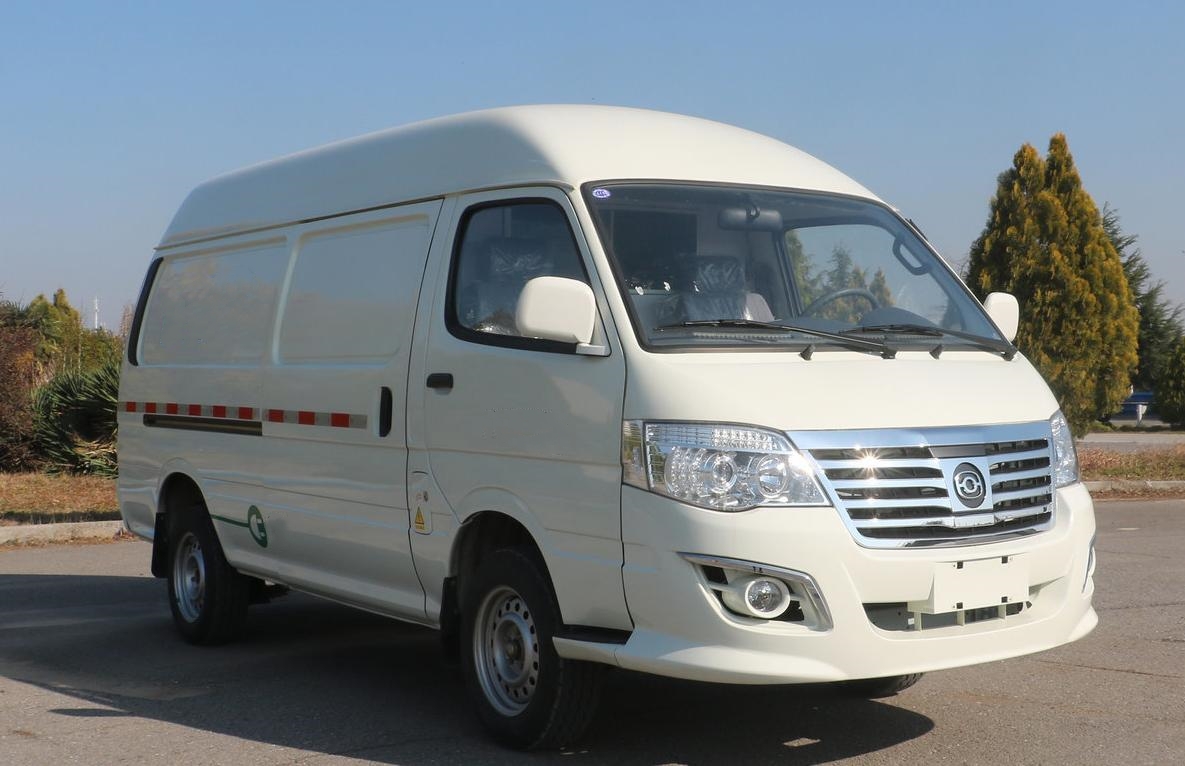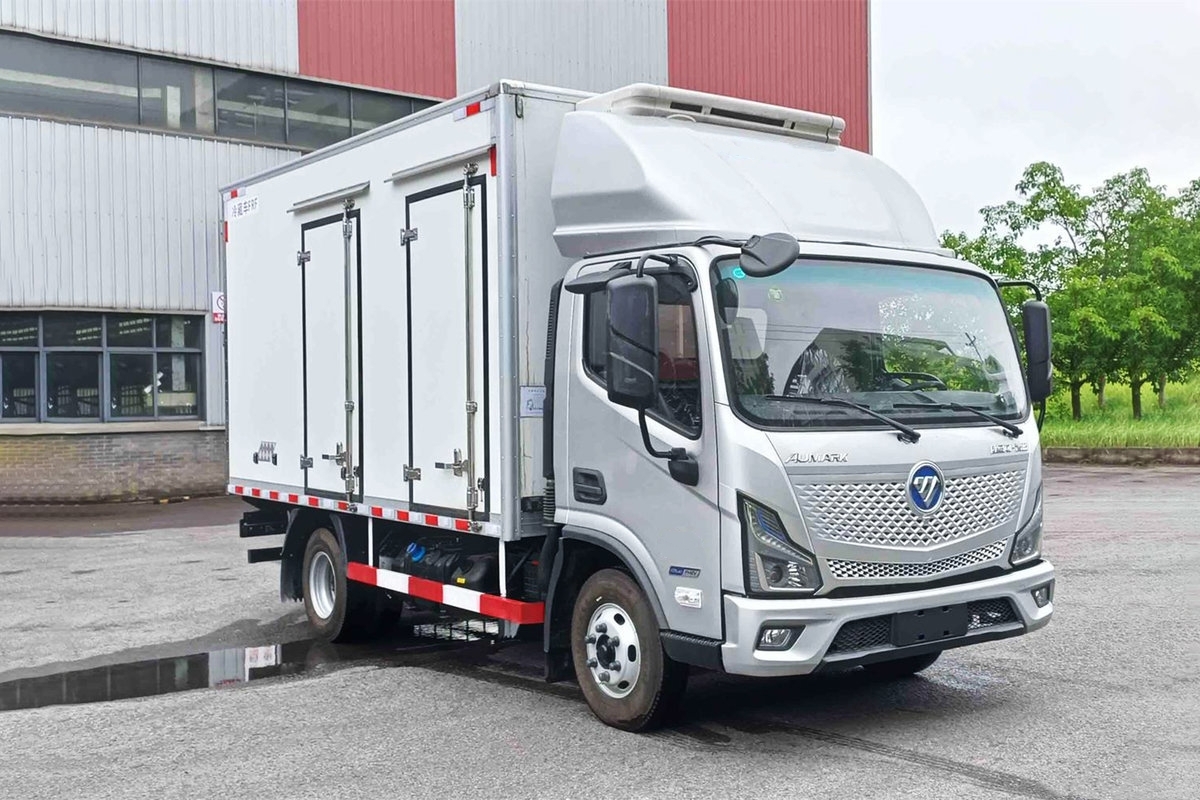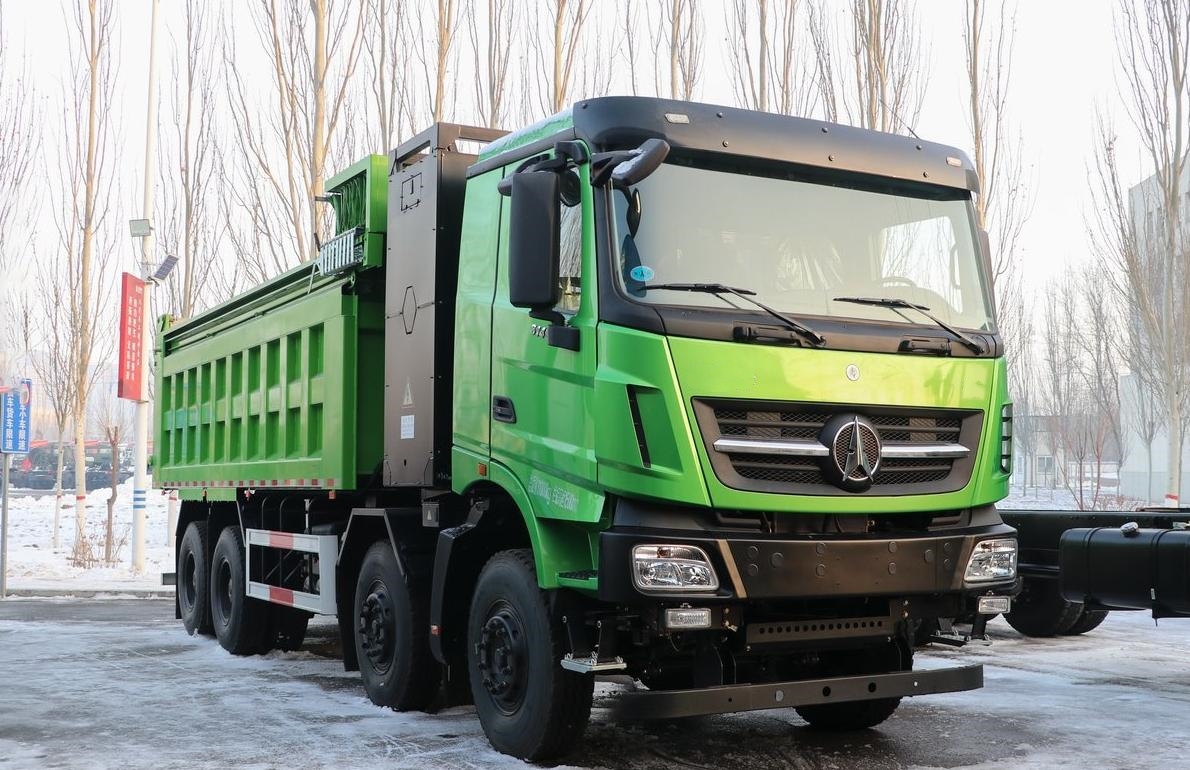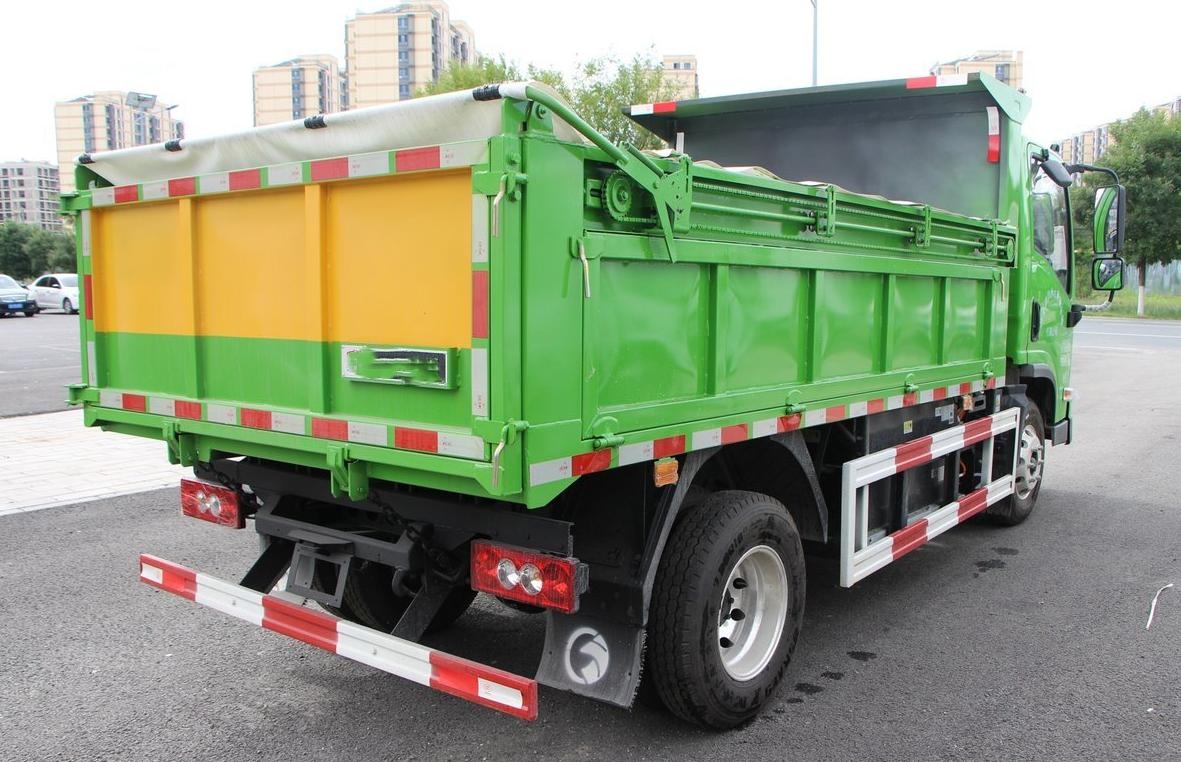
Preface In recent years, new energy vehicles have been booming under the guidance of national policies. Lọwọlọwọ, most electric commercial vehicles, such as pure electric buses, pure electric logistics vehicles, and pure electric road sweepers, adopt pneumatic braking systems and pneumatic door control systems. The electric air compressor system (hereinafter referred to as the electric […]
Category Archives: Imọ abẹ ina ina
The adoption of new energy vehicles (Eefun) is reshaping the automotive landscape, with a strong emphasis on eco-friendly materials and reduced emissions. This article delves into the advancements in chassis technology, discussing its evolution, the impact of modern materials and processes, and the critical role of innovative designs in optimizing NEV performance. 1. Evolution of […]
This article explores the constraints on power battery cooling through experimental and numerical studies, focusing on temperature and velocity distribution within microchannel cold plates on square lithium-ion battery cells. The analysis investigates cooling performance at 1C and 2C discharge rates under working temperatures of 5°C, 15° C, and 25°C, using both experimental setups and simulations. Abstract […]
With the rapid development of new energy vehicles (Eefun) ati ibeere ti n dagba fun ibi ipamọ agbara grid, Awọn iwulo fun awọn batiri pẹlu iwuwo agbara giga ati aabo nla ti di pupọ. Gẹgẹbi Oluwa “Energy-Saving and New Energy Vehicle Technology Roadmap” Ti a tu nipasẹ awọn iranṣẹ China ti Ile-iṣẹ ati Imọ-ẹrọ Alaye (Dit), single-cell energy density […]
Awọn ọkọ ina (Yin) have become a symbol of innovation and sustainability, attracting significant attention from consumers and manufacturers alike. Sibẹsibẹ, one notable challenge with EVs is their steep depreciation rate compared to traditional gasoline-powered cars. Several factors contribute to this rapid loss in value, including technological advancements, battery degradation, charging infrastructure limitations, and market dynamics. […]
Awọn ọkọ ina (Yin) ni ipinfunni fun orque ti o ni inira wọn, Ti o ṣeto wọn yato si lati inu ẹrọ kika ti abẹtẹlẹ ibile (Yinyin) ọkọ. Agbara iji lile giga yii jẹ abajade taara ti awọn abuda alailẹgbẹ ati apẹrẹ ti awọn oluta ina. Ko dabi awọn ẹya, eyiti o nilo lẹsẹsẹ eka ti awọn ilana ẹrọ lati ṣe ina agbara, electric motors offer instantaneous […]
Awọn ọkọ ina (Yin) are celebrated for their extensive functionality, Ti o ṣeto wọn yato si lati inu ẹrọ kika ti abẹtẹlẹ ibile (Yinyin) ọkọ. This abundance of features stems from the unique advantages of electric drivetrains, the integration of smart technologies, and the increasing focus on user convenience, environmental sustainability, and energy efficiency. Isalẹ, we delve into why electric […]
Electric cars are rapidly transforming the way we think about vehicle design and functionality, and one of the most noticeable changes is the move away from traditional physical buttons. Dipo, these vehicles increasingly rely on advanced technologies such as touchscreens, voice recognition, and gesture controls to manage functions and enhance the driving experience. This evolution […]
The increasing popularity of electric vehicles (Yin) in recent years is driven by a combination of environmental concerns, technological advancements, and a shift toward more sustainable forms of transportation. There are a variety of reasons why modern consumers choose to buy electric vehicles, ranging from personal savings on fuel to the global movement towards reducing […]
Awọn ọkọ ina (Yin) have become a cornerstone of the global movement towards cleaner and more sustainable transportation. Sibẹsibẹ, a common concern with electric vehicles is their power consumption, which often seems relatively high compared to traditional internal combustion engine vehicles. Understanding why EVs consume so much energy is crucial for both consumers and manufacturers as […]