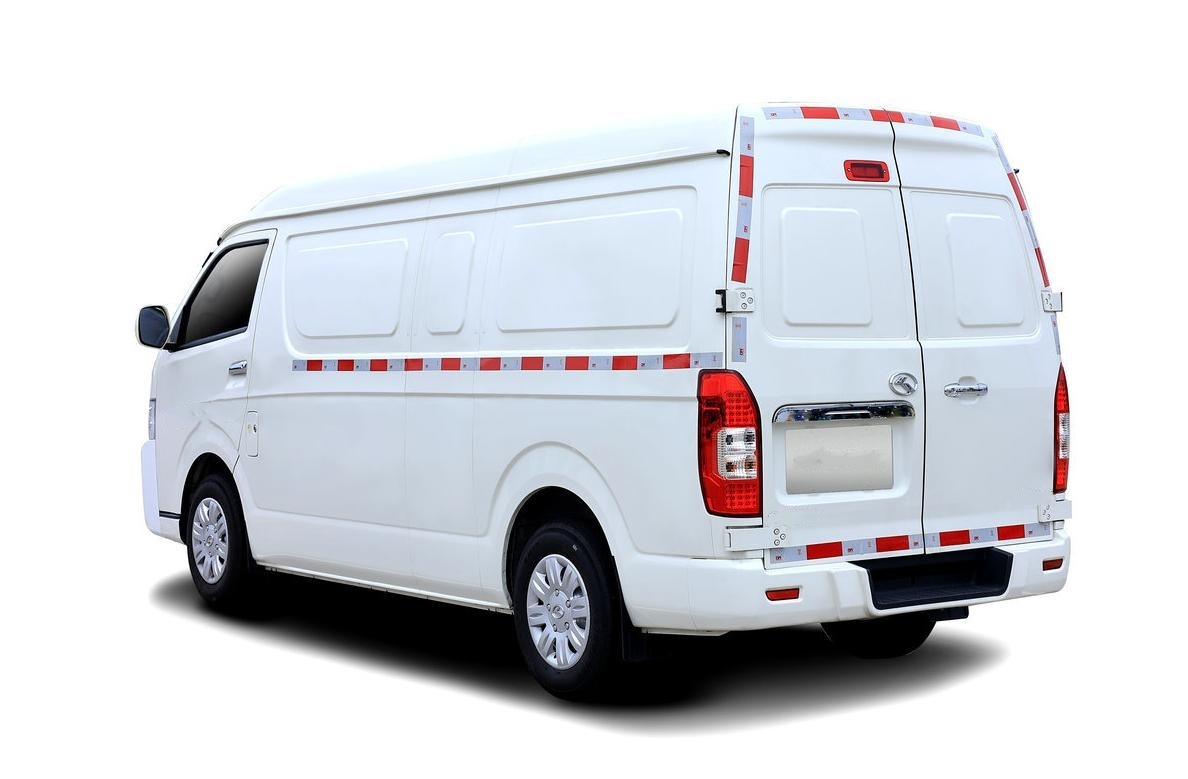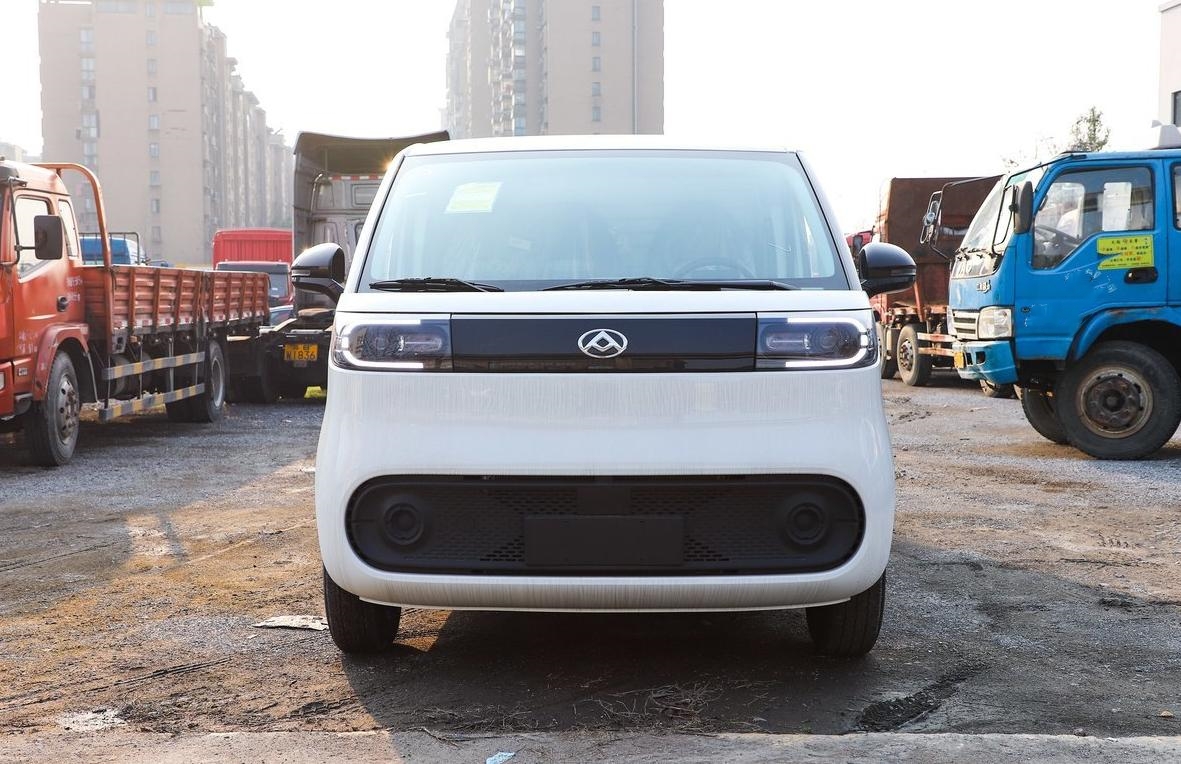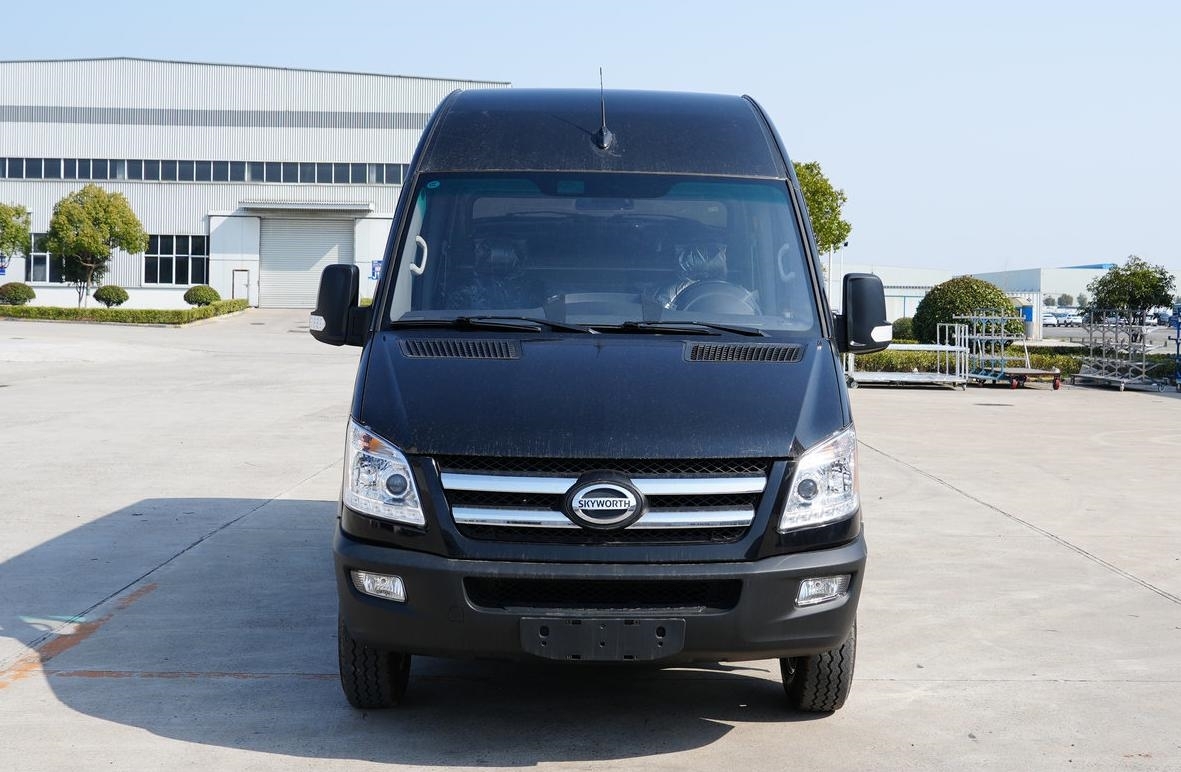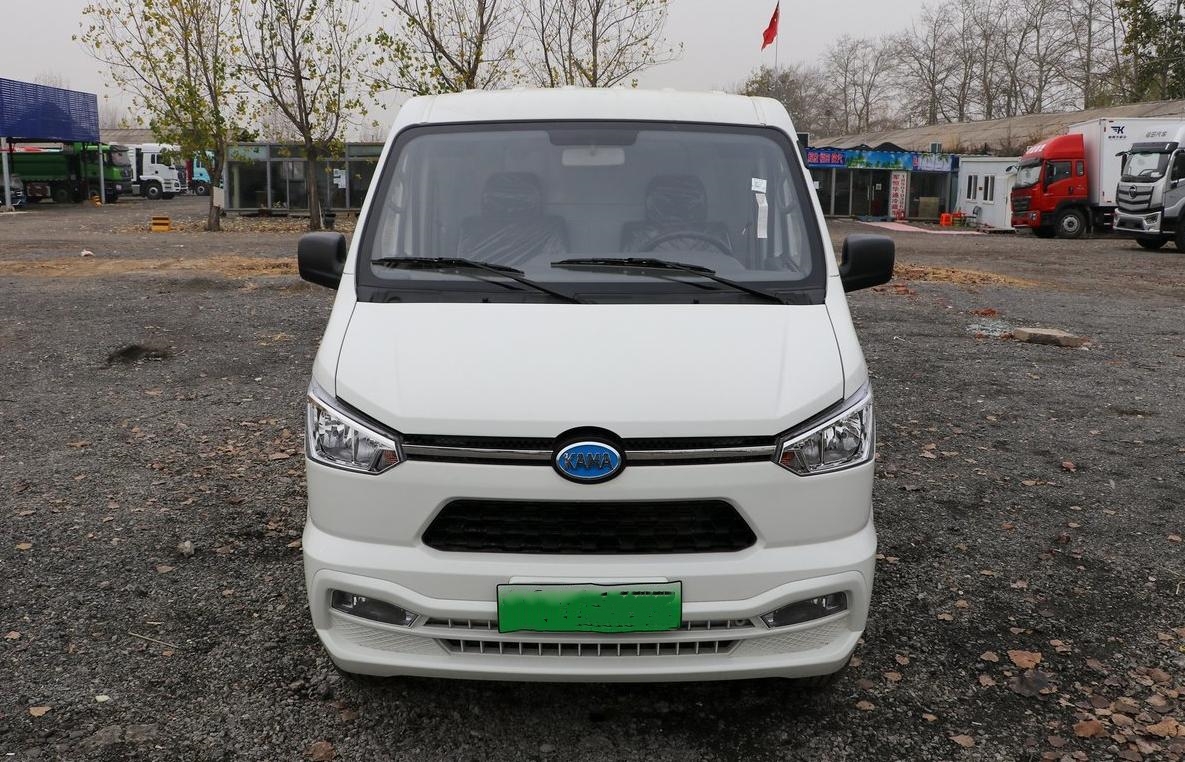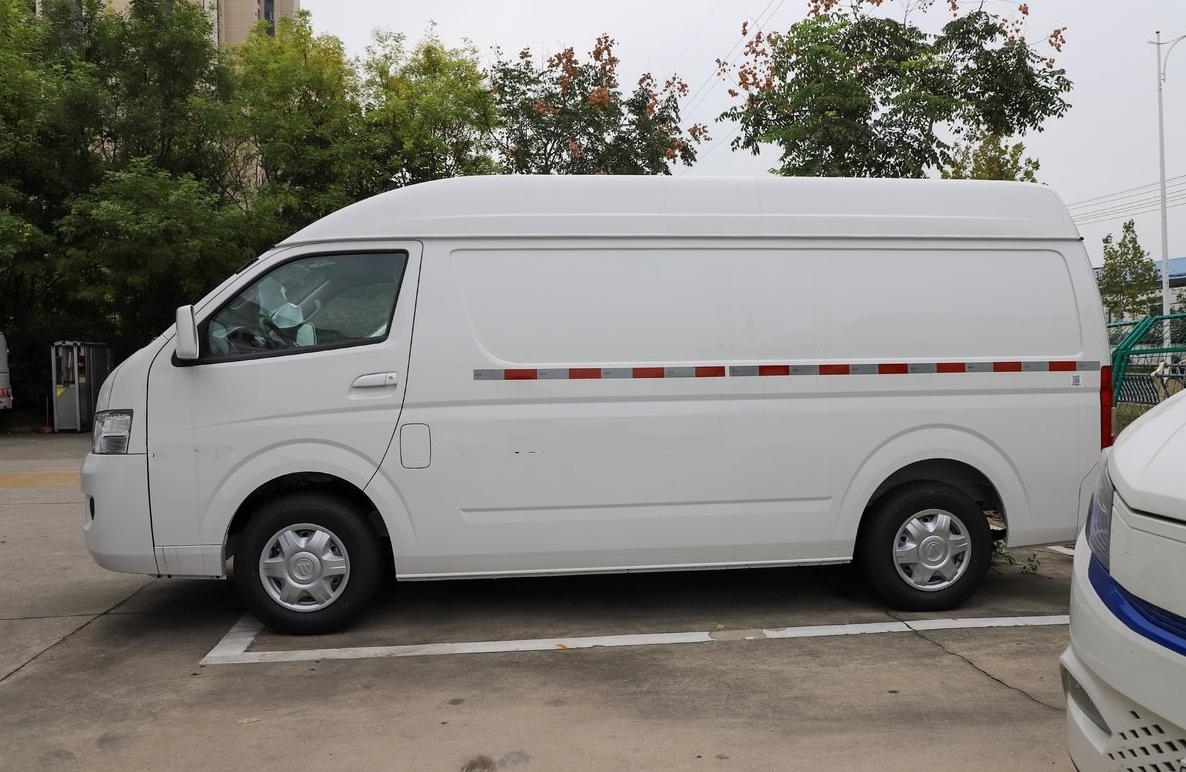
Veículos elétricos (VEs), reconhecida como uma solução de transporte verde e sustentável, estão experimentando um rápido aumento na popularidade global. Este aumento é impulsionado por uma maior consciência ambiental, políticas governamentais de apoio, e inovação tecnológica contínua. Mas o que faz dos VE a escolha inevitável para o futuro da mobilidade? Vamos explorar as razões multifacetadas por trás desta mudança de paradigma. […]
Author Archives: Caminhões elétricos
Veículos elétricos (VEs) tendem a ter uma taxa de depreciação mais alta em comparação com o motor de combustão interna tradicional (GELO) veículos. Este fenômeno é impulsionado por vários fatores inter-relacionados. As principais razões incluem o ritmo rápido do avanço tecnológico, a vida útil relativamente curta das baterias EV, a falta de infraestrutura de carregamento abrangente, e o custo comparativamente elevado de […]
A principal razão para o menor alcance dos veículos elétricos reside nas limitações da tecnologia de baterias. Embora um progresso significativo tenha sido feito nos últimos anos, a densidade de energia dos atuais sistemas de baterias ainda é insuficiente em comparação com a energia armazenada em combustíveis líquidos como gasolina ou diesel. 1. Densidade de energia das baterias vs.. Fóssil […]
The absence of a clutch in EVs is primarily attributed to the unique operational characteristics of electric motors and their transmission systems. Let us break this down: 1. The Role of the Clutch in Traditional ICE Vehicles In ICE vehicles, the clutch is essential for disconnecting the engine from the transmission during gear shifts. This […]
When EVs experience sudden braking, the forward lurch can often be attributed to the fundamental differences in their braking and propulsion systems compared to traditional internal combustion engine (GELO) veículos. Here’s a breakdown of the key factors: 1. Regenerative Braking Dynamics Electric vehicles rely heavily on regenerative braking systems, where the electric motor plays a […]
As environmental awareness grows and technology advances, veículos elétricos (VEs) are becoming increasingly prominent in the modern automobile market. No entanto, some EV owners have noticed a significant drop in driving range during winter months. This phenomenon raises an important question: why do electric vehicles experience reduced range in cold weather? This article explores the key […]
Introduction With increasing awareness of environmental protection and the shift towards sustainable living, veículos elétricos (VEs) are gaining popularity as clean and eco-friendly transportation options. Ao contrário do motor de combustão interna tradicional (GELO) veículos, EVs rely on electric motors for propulsion. This raises an intriguing question: why do electric vehicles need a transmission system? This article explores […]
EU. Introduction to the Issue of Nausea in Electric Vehicle Rides Electric vehicles, como um novo tipo de transporte, possuem as características de serem ecologicamente corretos e energeticamente eficientes, levando a um número crescente de pessoas que optam por viajar neles. No entanto, alguns passageiros podem sentir náuseas ao andar em um veículo elétrico. Por que […]
Introduction As environmental awareness grows and technology continues to advance, veículos elétricos (VEs) have emerged as a critical direction for the future of transportation. Unlike traditional internal combustion engine vehicles, EVs use high-voltage power supply systems, sparking curiosity about why high-voltage systems are necessary. This document explores the reasons behind the adoption of high-voltage systems […]
EU. Introduction to the Anti-Skid Advantage of Electric Vehicles Electric vehicles, as one of the significant development directions of future transportation, possess not only environmental protection and energy-saving features but also exhibit some advantages different from traditional fuel vehicles. One prominent difference is that electric vehicles rarely or never skid during driving. Now let’s explore […]