
የኤሌክትሪክ መኪና ዜና
ለምን የኤሌክትሪክ ተሽከርካሪዎች ከፍተኛ-ቮልቴጅ የኃይል አቅርቦት ስርዓቶችን ይጠቀማሉ?

ዲሴምበር
መግቢያ
As environmental awareness grows and technology continues to advance, የኤሌክትሪክ ተሽከርካሪኤስ (ኢቪዎች) ለወደፊቱ የመጓጓዣ ወሳኝ አቅጣጫ ሆነው ብቅ ብለዋል. ከባህላዊ ውስጣዊ ድብድብ ሞተር ተሽከርካሪዎች በተቃራኒ, ኢቪዎች ከፍተኛ-ቮልቴጅ የኃይል አቅርቦት ስርዓቶችን ይጠቀማሉ, የከፍተኛ-ቮልቴጅ ስርዓቶች ለምን አስፈላጊ እንደሆኑ ለማወቅ ጉጉትን ቀስቅሷል. This document explores the reasons behind the adoption of high-voltage systems in የኤሌክትሪክ ተሽከርካሪኤስ, የእነሱ ጥቅሞች, safety considerations, and the challenges associated with their implementation.
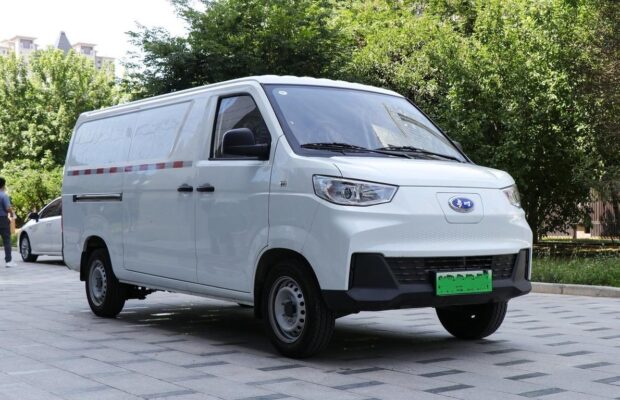
ለምን የኤሌክትሪክ ተሽከርካሪዎች ከፍተኛ-ቮልቴጅ የኃይል አቅርቦት ስርዓቶችን ይጠቀማሉ?
- High-Efficiency Energy Transmission:
- High-voltage power supply systems are designed to enable efficient energy transmission. By reducing energy loss during transmission, these systems maximize the utilization of stored electrical energy.
- In electrical systems, energy loss is proportional to the square of the current (I²R losses). High-voltage systems reduce current by increasing voltage, significantly lowering these losses.
- Compared to low-voltage systems, high-voltage systems optimize energy delivery, making them better suited for powering electric motors, which demand substantial and consistent energy supply.
- Improved Energy Utilization:
- With minimized transmission losses, high-voltage systems ensure more of the battery’s energy is available for vehicle propulsion.
- This efficiency translates directly into improved vehicle range and performance, addressing one of the key concerns for EV adoption.
Are High-Voltage Systems Safe for Drivers and Passengers?
Safety is a paramount consideration in the design and implementation of high-voltage systems in የኤሌክትሪክ ተሽከርካሪኤስ. Manufacturers have integrated multiple layers of protection to ensure these systems operate safely:
- Robust Safety Mechanisms:
- High-voltage systems feature comprehensive protection measures, ጨምሮ:
- Overcurrent Protection: Prevents excessive current from flowing through the system.
- Overheat Protection: Ensures that components remain within safe operating temperatures.
- Short-Circuit Protection: Quickly isolates faulty circuits to prevent damage or fire.
- High-voltage systems feature comprehensive protection measures, ጨምሮ:
- Rigorous Testing and Certification:
- Every component of a high-voltage system undergoes stringent testing and certification to meet industry safety standards.
- Quality assurance measures ensure reliability and resilience, በከባድ ሁኔታዎች ውስጥ እንኳን.
- User Guidelines and Maintenance:
- Proper usage and regular maintenance are critical to maintaining the safety of high-voltage systems.
- EV manufacturers provide detailed instructions to ensure users and technicians handle these systems correctly.
When these measures are followed, high-voltage systems pose no threat to drivers or passengers and operate as safely as any other automotive system.
Advantages of High-Voltage Systems Over Low-Voltage Systems
- Reduced Cable Size and Weight:
- High-voltage systems allow for smaller and lighter cables, which reduces the overall weight of the vehicle.
- This weight reduction contributes to increased energy density and extended vehicle range.
- Enhanced Charging Capabilities:
- High-voltage systems support faster charging, significantly reducing the time required to recharge the battery.
- This feature improves the user experience and makes EVs more practical for long-distance travel.
- Greater Efficiency:
- High-voltage systems deliver higher energy transfer efficiency, ensuring that minimal energy is wasted during operation.
- This efficiency not only boosts vehicle performance but also reduces the environmental impact of energy consumption.
Challenges and Issues with High-Voltage Systems
While high-voltage systems offer numerous advantages, they also present certain challenges:
- Increased Design Complexity:
- Designing and manufacturing high-voltage systems demand advanced technology and expertise, leading to higher production costs.
- Stringent Safety Requirements:
- The implementation of high-voltage systems requires robust safety measures and regulatory compliance to ensure operational security.
- Specialized Maintenance Needs:
- High-voltage systems necessitate specialized knowledge and skills for maintenance and repair.
- Technicians working on these systems must undergo rigorous training and certification to handle them safely and effectively.

The Future of High-Voltage Systems in Electric Vehicles
ምንም እንኳን እነዚህ ተፈታታኝ ሁኔታዎች ቢኖሩም, high-voltage systems represent the future of electric vehicle development. Ongoing advancements in technology and safety measures are addressing these issues, making high-voltage systems increasingly accessible and reliable. By optimizing energy transmission and improving vehicle performance, these systems are poised to become the standard in the automotive industry.